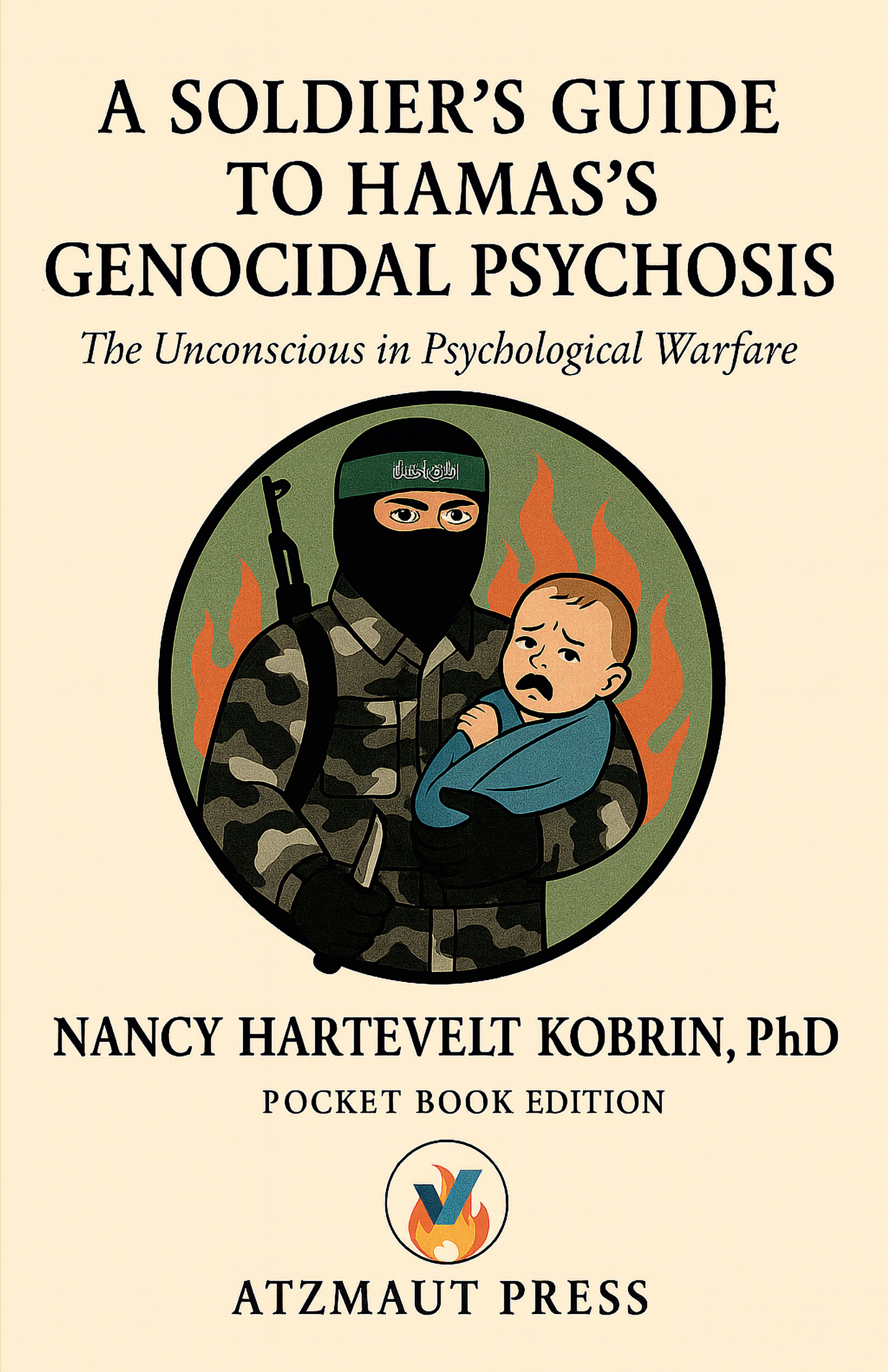
This begins Part III of the serialization of A Soldier’s Guide to Hamas’s Genocidal Psychosis
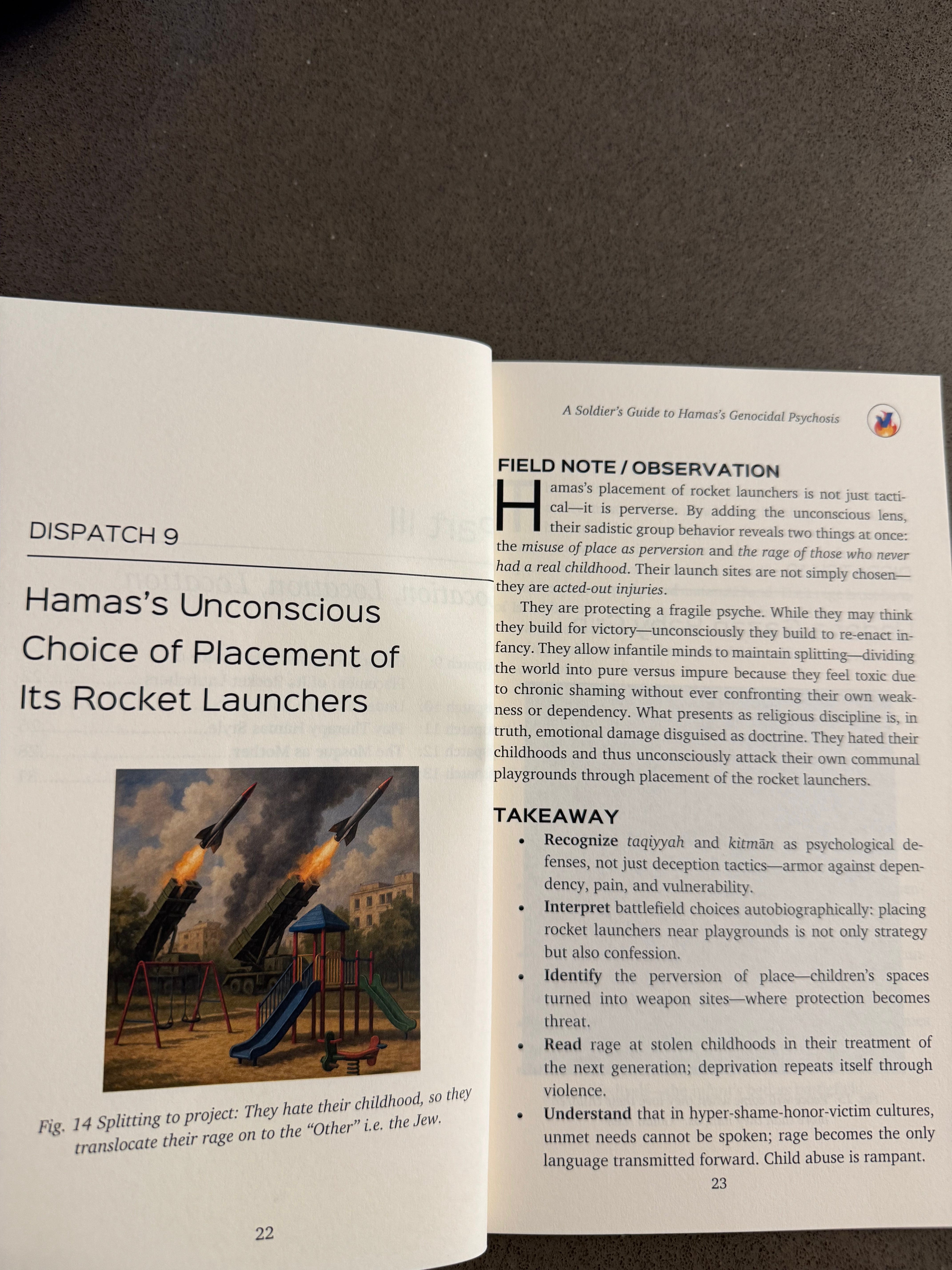
Fig. 14 Splitting to project: They hate their childhood, so they translocate their rage onto the “Other,” i.e. the Jew.
Hamas’s placement of rocket launchers is not just tactical — it is perverse. Adding the unconscious lens, their sadistic group behavior reveals two things at once: the misuse of place as perversion, and the rage of those who never had a real childhood.
They are protecting a fragile psyche. While they may think they build for victory, unconsciously they build to re-enact infancy. They allow infantile minds to maintain splitting — dividing the world into pure versus impure because they feel toxic from chronic shaming, without ever confronting their own weakness or dependency. What presents as religious discipline is, in truth, emotional damage disguised as doctrine. They hated their childhoods and thus unconsciously attack their own communal playgrounds through placement of the rocket launchers.
TAKEAWAY:
• Recognize taqiyyah and kitmān as psychological defenses, not just deception tactics — armor against dependency, pain, and vulnerability.
• Interpret battlefield choices autobiographically: placing rocket launchers near playgrounds is not only strategy but also confession.
• Identify the perversion of place — children’s spaces turned into weapon sites — where protection becomes threat.
• Read rage at stolen childhoods in their treatment of the next generation; deprivation repeats itself through violence.
• Understand that in hyper-shame-honor-victim cultures, unmet needs cannot be spoken; rage becomes the only language transmitted forward. Child abuse is rampant.
• As a PTSD expert I estimate that A Soldier’s Guide will help 5–10% of those with PTSD who have a need to understand the unconscious mind of the jihadi in detail.
— Nancy Hartevelt Kobrin, PhD
A Soldier’s Guide to Hamas’s Genocidal Psychosis: The Unconscious in Psychological Warfare — Beyond Ideology, Before Words