Chapter Thirteen of Karen Elliott House’s The Man Who Would Be King is called “The Human Element,” and it is about human rights. House does a good job listing the abuses: the jailed activists, the death sentence for a man with nine followers on X, Khashoggi, the men executed in 2022. But she has little to say about why they happen or how they might stop. Her answer is a shrug: “different history and different cultures produce different national priorities.”
The human element is the family, and the shrug stops exactly where a psychoanalyst starts.
House writes that most Saudis keep their opinions to themselves, and that their silence “isn’t just fear or intimidation. It also stems from irrelevance.” Politics, she says, is as irrelevant to most Saudis as the Christian Bible. They focus instead on “the economic well-being of their extended family and tribe.” That is the point. A person who has never been treated as an individual does not demand individual rights. The identity is the tribe, and the tribe’s needs come first. Moreover this is a society that has to be constantly enlivened – the Vibrant Society as MBS wills it because the society feels dead – this is my perception. All the topical changes are limited in the capacity to effect the kind of change to wean the population from tribal dependency to an independent sense of self.
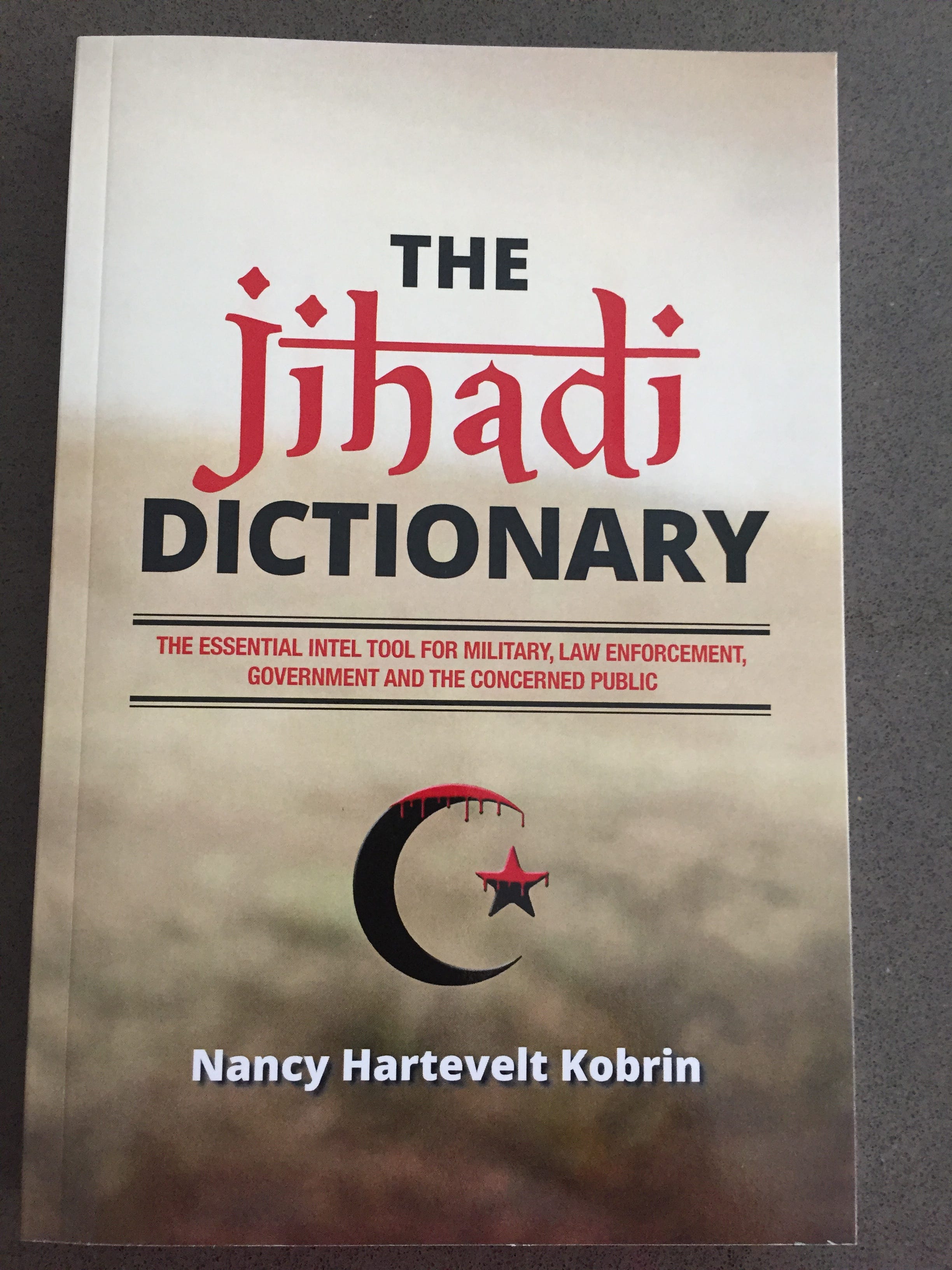
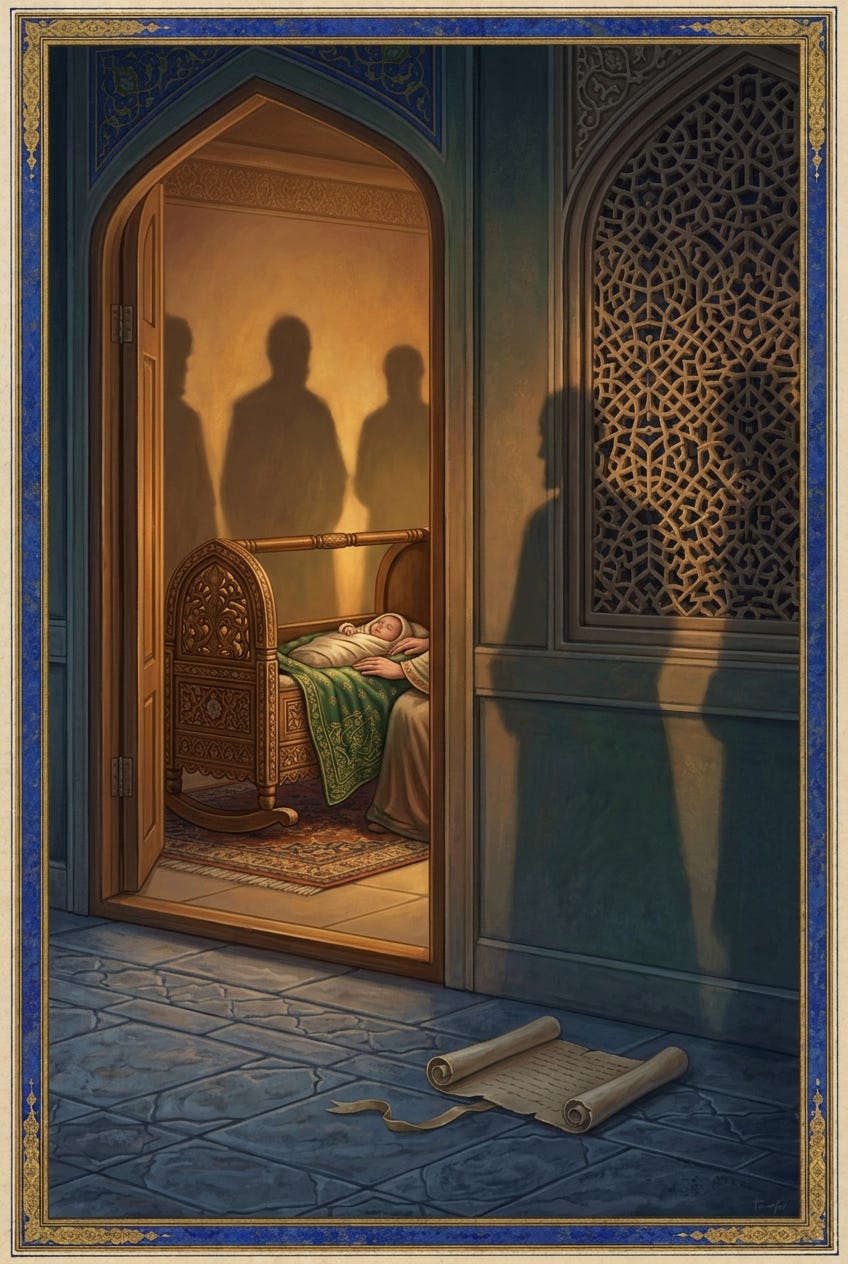
The rest of the chapter shows the family at work. Mikhlif al-Shammari took House to visit a Shia husband who had been forcibly divorced from his Sunni wife by a judge “at the request of her brothers, not her husband.” House does not explain why the “brother.” They monitor family honor and honor is housed in the vagina of their sister. House adds: “The wife, of course, had no say.” The woman is the possession of the brothers and the tribe, not a person with a mind and a voice. In my Jihadi Dictionary entry “Baby,” I describe the Arab Muslim shame-honor family as one with a love-hate relationship to babies, who are treated as objects to be manipulated and brainwashed. A person raised that way learns that others are objects. When he grows up and has power, he treats others as objects too, whether they are wives, sisters, activists or critics.
Then there is Maha al-Qahtani, who told House that her youngest daughter Layla, born just after her father went to prison, asked, “Mom, do I have a dad?” Her mother consoled herself that men like Moses, Jesus and Mohammed changed history without a father beside them. Layla, eleven, “still has no father beside her.” A government that takes fathers from children and then asks the children to be loyal is repeating the damage that I describe. This is the transmission of trauma: the fatherless child grows up and does to others what was done to him.
This is MBS’s family too. House reports that in 2020 he arrested his father’s 83-year-old brother, Prince Ahmed, who had declined to approve MBS’s elevation to crown prince. The ruler treats the state as his family and the family as a possession. A former U.S. naval official says, “MBS doesn’t have a moral bone in his body.” I would put it differently: he is a man who learned early that safety comes from absolute control, and who now enforces it. House says it herself: “What he feels is necessary to protect his political and personal survival always takes precedence over everything else.” I would still take it one step deeper: This is a sign that he himself is terrified.
Ali Shihabi, a Saudi businessman close to the government, argues that Washington should cut MBS some slack because he inherited “a sclerotic monarchy and reactionary religious establishment” and had to break some china. House finds the case good, but for her the test is the future: will he ease repression, or remain an authoritarian survivor? Social freedoms have grown, but political freedoms have not. Women can now drive, divorce and travel, while Loujain al-Hathloul was jailed in 2018 for supporting the right to drive and says she was tortured with electric shocks. A reform that lets women drive but jails them for asking is not a change in the human element. It is a change in the clothing. Nevertheless I do agree that MBS should be cut some slack provided he can internalize the depth of the familial problem and speak honestly about it. Probably a long shot but not impossible.
One more correction to House’s list. In 2023 she put Venezuela among the states in a growing wave of authoritarianism. As of this year, that has changed: U.S. forces captured Maduro on January 3, 2026. I mention it only because the world House describes keeps shifting under her feet, while the family structure underneath does not.
Human rights are not a Western export that must be forced on other cultures. They begin where a baby learns whether it is a person. Until the Saudi mother and infant are treated as whole persons, laws about speech and driving will not reach the root.
Sources:
House, K. E., 2025, The Man Who Would Be King: Mohammed bin Salman and the Transformation of Saudi Arabia, Harper, Chapter Thirteen.
Kobrin, N. H., 2016, The Jihadi Dictionary, entry “Baby.”
USNI News, Jan 3 2026, on the capture of Maduro: https://news.usni.org/2026/01/03/maduro-wife-captured-by-american-forces-u-s-to-oversee-venezuela-ahead-of-new-government-trump-says
PBS NewsHour, Jan 3 2026: https://www.pbs.org/newshour/world/live-updates-u-s-captures-maduro-and-his-wife-after-striking-venezuela
Nancy Hartevelt Kobrin, PhD, is a Tel Aviv-based psychoanalyst and counterterrorism scholar.
https://www.amazon.com/Nancy-Kobrin/e/B002RF9D5Y