The burning of Limoges’ historic city hall and the violence in France’s streets belong to the crisis I wrote about in my earlier essay on laïcité (see below). I argued that the Republic had emptied its public square in the name of neutrality—and that organized Islamist networks, including those associated with the Muslim Brotherhood, had built influence in the space left behind with plenty of Qatari money. A 2025 French government report documents the Brotherhood’s networks of mosques, associations, and schools. That does not make every Muslim part of the movement, or prove that it organized these protests. But it makes the question of who fills the vacuum impossible to dismiss.
Palestinian flags have been repeatedly visible in images from the demonstrations. A flag alone cannot tell us who organized a crowd or what every person in it believes. But its presence is part of the political picture: the square is not empty now. It is contested, and the Republic seems unable to articulate a shared civic ground strong enough to hold it.
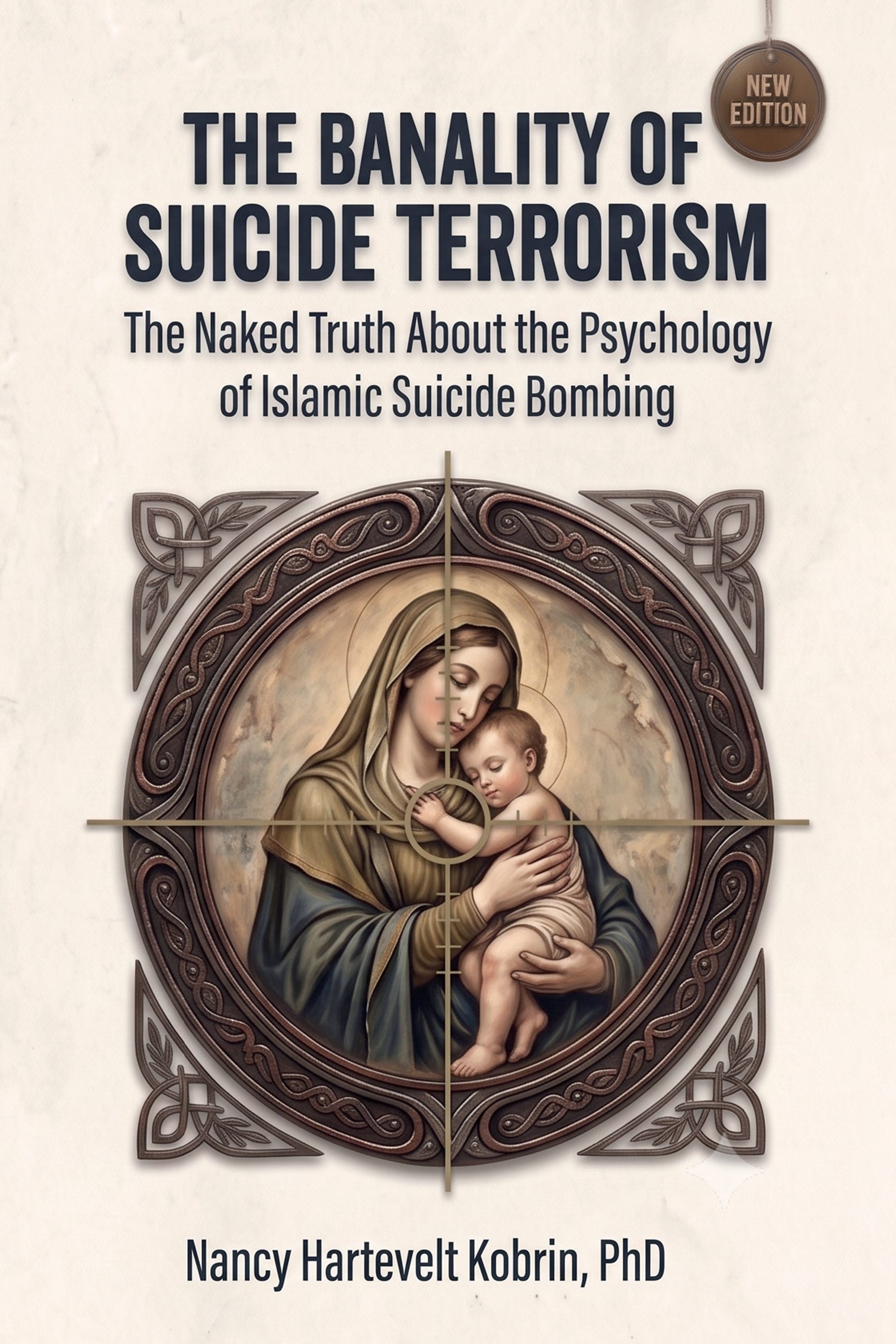
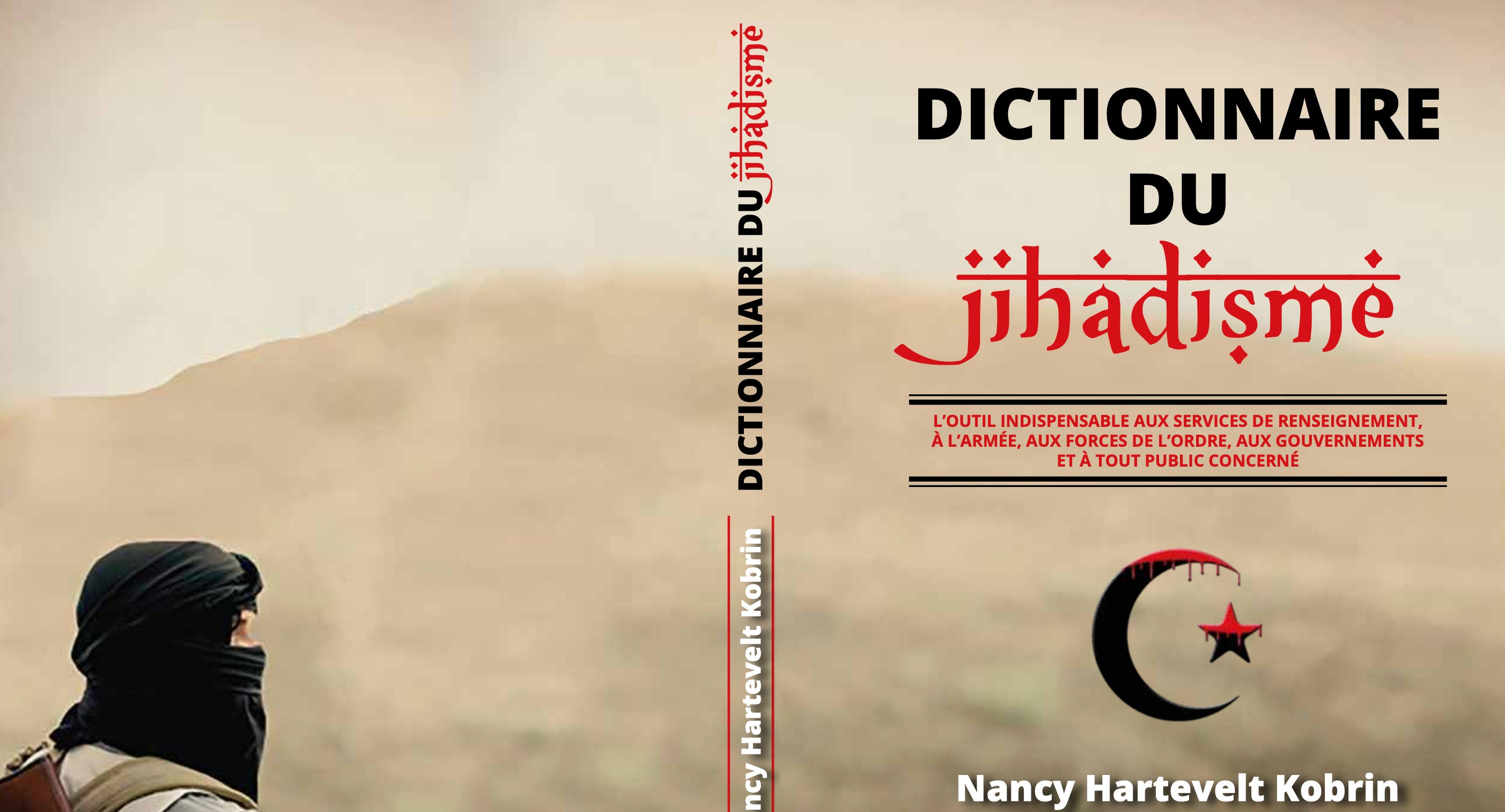
I have spent years trying to make this danger legible. My Jihadi Dictionary was translated into French more than five years ago, yet no publishing house has committed to bringing it out. In 2017, the German psychoanalytic journal Psyche, edited by Werner Bohleber, published an excellent review of the book. The contrast stays with me: serious engagement in one setting, continued hesitation in another. My fear is that people cannot bear to look directly at the Muslim Brotherhood’s agenda. I believe that agenda, if realized, would mean the end of Western civilization as we know it.
A temporary Jewish prayer room in Paris’s 19th arrondissement was also ransacked. The community’s representative said it looked like an attempted theft; the motive has not been established. Still, the sight of prayer books and tefillin scattered on the floor carries a force beyond the inventory of what was taken.
This is civil war in its civic form: a long breakdown in shared authority, trust, and belonging. The Dreyfus Affair showed how a republic could turn against its Jews while insisting it was defending itself. History does not repeat itself exactly; it compels us to recognize what we have failed to confront. France’s crisis did not begin this week. It has been in the making for years.
Sources
AP report on the Limoges fire and protests
French government report on the Muslim Brotherhood
Nancy Hartevelt Kobrin, PhD, is a Tel Aviv–based psychoanalyst and counterterrorism scholar.
https://www.amazon.com/Nancy-Kobrin/e/B002RF9D5Y